
Our Story
Isles of Scilly Freight
The history of any group of islands has always been inextricably linked to their ability to trade with the mainland and other seafaring groups. This is as true for the Isles of Scilly as it is for any other island community.
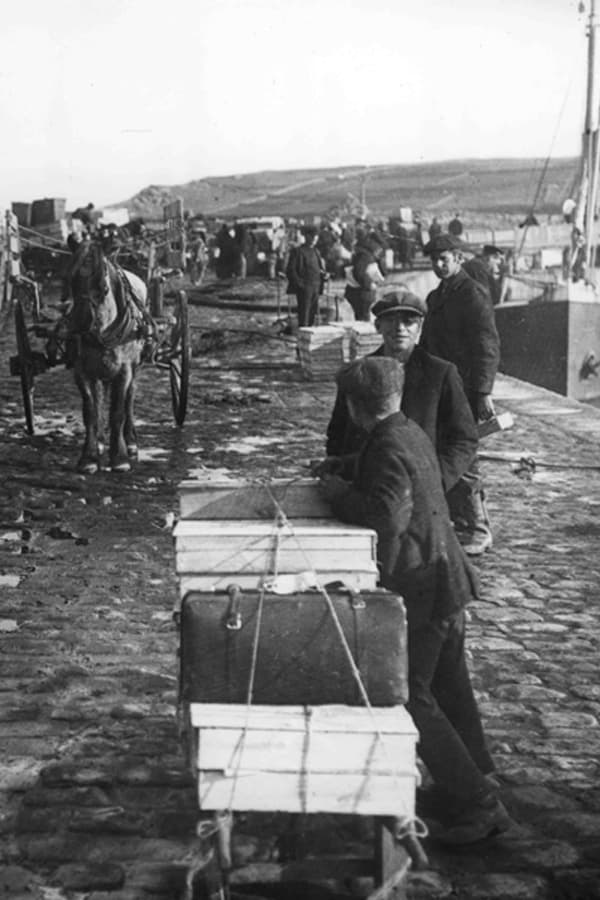
The Isles of Scilly lie on a number of historic trade and seafaring routes. There is evidence to suggest that the Phoenicians, Greeks and Romans regularly traded with the Isles of Scilly.
Over the years the nature of that trade has varied. Economic and political factors have seen the rise and fall of industries such as kelp harvesting, fishing and flower farming.
At its peak more than 40 tonnes of flowers were being shipped from the islands to markets in London several times a week. The Isles of Scilly is still famous for producing the scented narcissi flowers, which thrive in the narrow fields and mild climate.
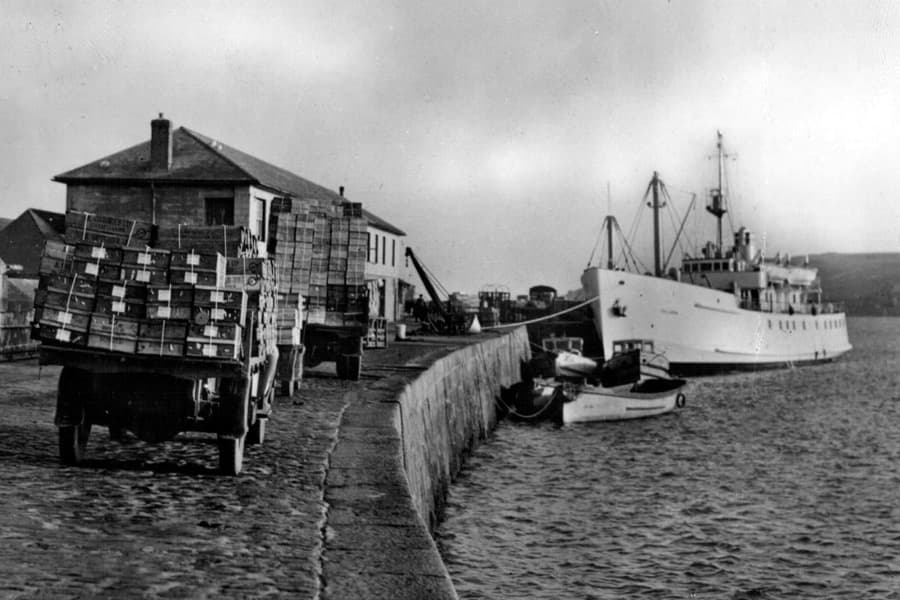
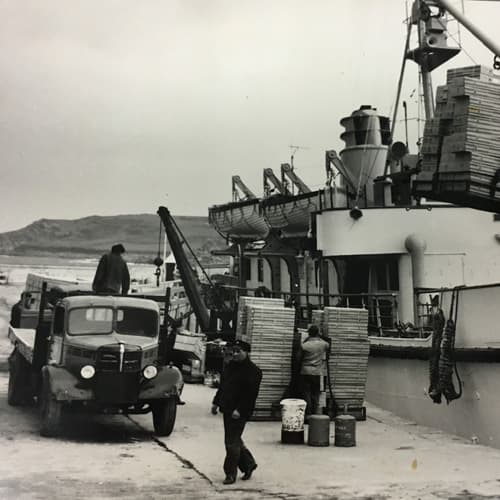
Before the growth in the tourism industry, the island economy relied on trade with the mainland as a means of sustaining its population.
The importance of keeping that link open and reliable led the islanders to found – in 1920 – the Isles of Scilly Steamship Company with £20,000 raised by selling shares, mostly to islanders. The company was formed with the express purpose of securing a regular shipping service between the islands and Penzance.
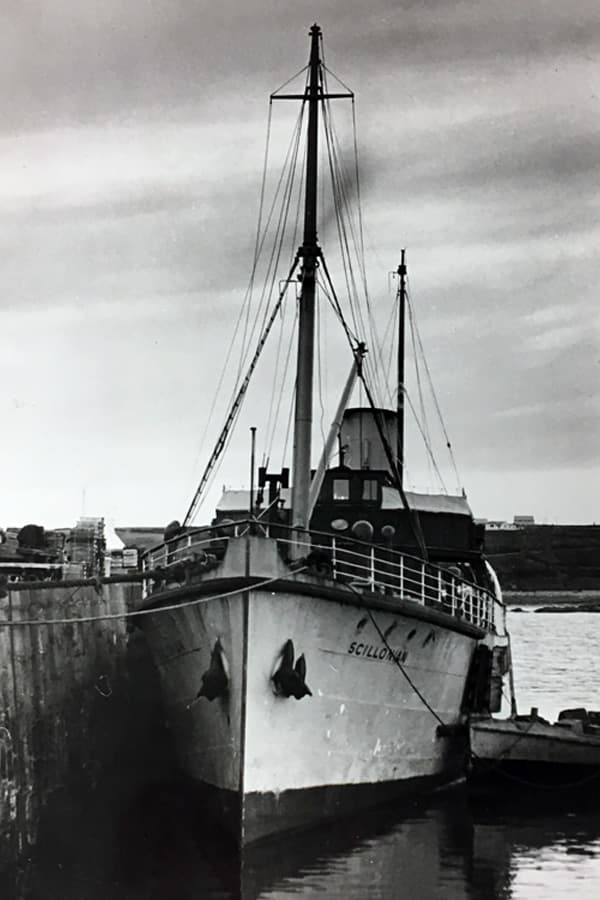
The enterprise prospered and in 1926 the first, purpose built, Scillonian began taking passengers and cargo to and from the islands. In 1931, the Scillonian brought electricity to the islands by offering a special freight rate for the cables, machinery and steel that were necessary for the project.

In 1977, Scillonian III was purpose built for the Steamship Group and entered service carrying passengers and freight.
Twelve years later the Steamship Group purchased their first dedicated freight ship – Gry Maritha.
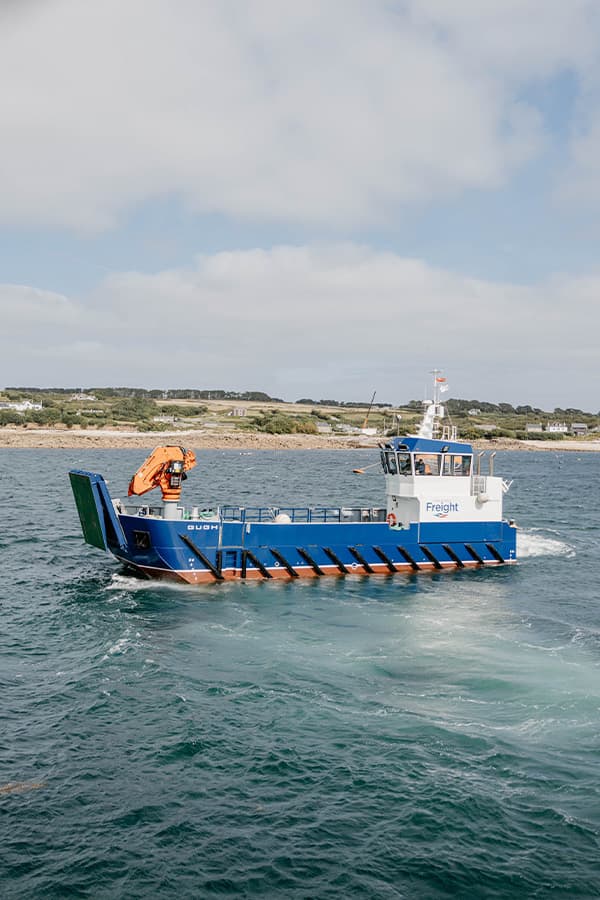
As the islands’ freight needs continued to grow, Gugh joined the fleet in 2024, adding capacity and flexibility to the service.
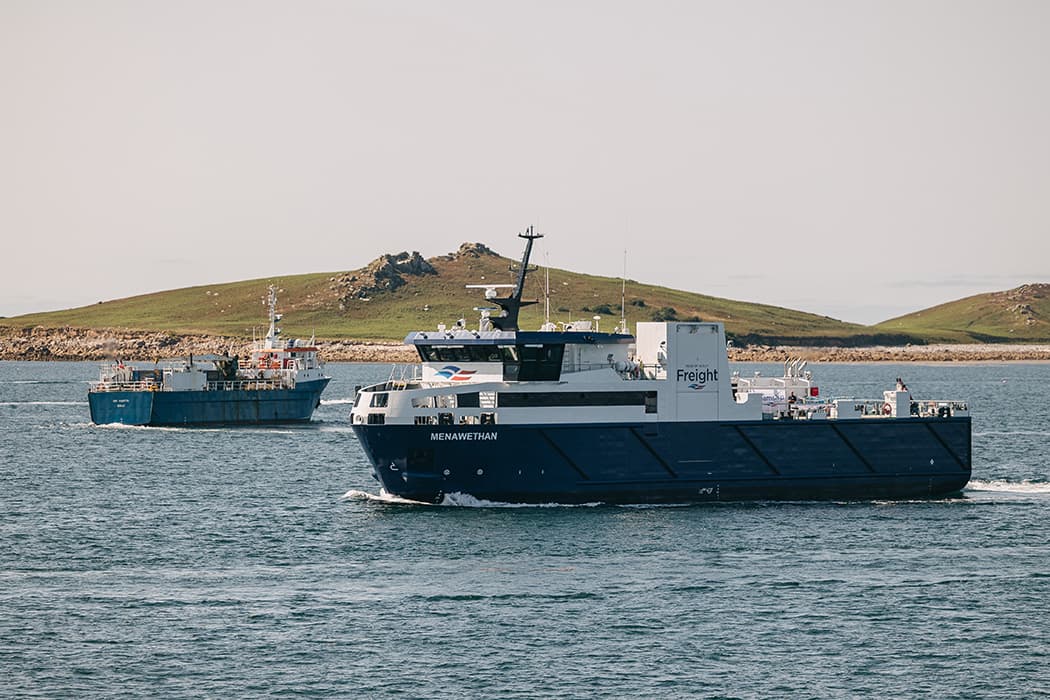
In 2026, a new chapter in the story began with the arrival of Menawethan, a purpose-built freight vessel replacing Gry Maritha and carrying forward the vital link between the Isles of Scilly and the mainland.
More than simply a new vessel, Menawethan continues the lifeline service that is essential to island life, ensuring fuel, food, medicines and other essential supplies reach the islands when they are needed.
On average we carry 15,000 tonnes of freight every year.
Today, the Isles of Scilly are mostly known as a tourism destination, but that industry wouldn’t be sustainable if it wasn’t for the goods and cargo that Isles of Scilly Freight bring across from the mainland.
Flowers are still an industry on the islands and we work closely with the farmers ensuring they have a quick and efficient delivery service. The first narcissi can be picked before Christmas.
Much of the fish and shellfish caught on the islands are exported to Newlyn and then on to Europe, maintaining the islands’ tradition of far-reaching trade routes.
There are vineyards and distilleries, fully stocked grocery stores, post offices, a hospital, a pharmacy, and various shops offering anything from hardware to clothing to books.
All of these businesses rely on cargo and freight being brought to and from the mainland by us.